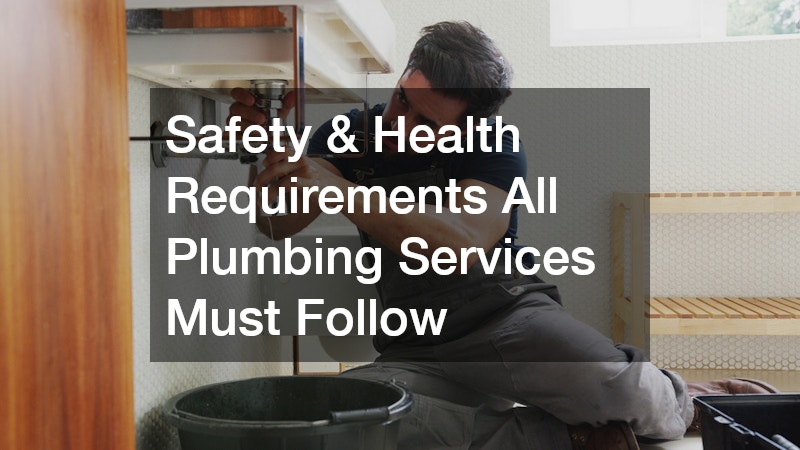
Plumbing is a vital trade that protects public health, supports safe building operations and ensures access to clean water and effective waste removal. Because of the risks involved, strict safety and health standards apply across Australia. From residential repairs to large-scale commercial installations, all plumbing services must follow clearly defined legal and workplace requirements to safeguard workers, clients and the broader community.
Compliance With Australian Standards & Regulations
Every plumbing business must operate in line with national and state-based legislation. These rules are designed to protect public health, water quality and building safety.
Key regulatory requirements include:
- Compliance with the National Construction Code (NCC)
- Adherence to Australian Standards such as AS/NZS 3500 (Plumbing and Drainage)
- Following state and territory plumbing regulations
- Meeting local council inspection and approval requirements
Failure to comply can result in heavy penalties, licence suspension and serious safety consequences.
Regulatory compliance is not just administrative. It directly affects water contamination prevention, backflow protection, stormwater management and sanitary drainage systems.
Licensing & Qualifications
In Australia, plumbers must be appropriately trained and licensed. Businesses delivering plumbing services are required to ensure all tradespeople hold the correct qualifications for the type of work being performed.
This generally involves:
- Completing a Certificate III in Plumbing
- Undertaking an apprenticeship
- Registering or licensing with the relevant state authority
- Completing continuing professional development (CPD), where required
Unlicensed plumbing work is illegal in most states and can void insurance policies and building warranties.
Proper licensing ensures tradespeople understand technical standards, safety protocols and legal responsibilities.
Workplace Health & Safety (WHS) Obligations
Plumbing work can involve confined spaces, hazardous materials, heights and heavy machinery. For that reason, strict Workplace Health and Safety (WHS) laws apply.
Employers must:
- Provide a safe working environment
- Conduct risk assessments before starting work
- Implement Safe Work Method Statements (SWMS) where required
- Provide appropriate training and supervision
- Supply and maintain personal protective equipment (PPE)
Workers also have responsibilities, including following safety procedures and reporting hazards.
Common plumbing hazards include:
- Exposure to raw sewage
- Contact with asbestos in older buildings
- Working in roof cavities with extreme heat
- Trenching and excavation collapses
- Gas leaks and fire risks
Managing these risks is essential for preventing injury and long-term health issues.
Infection Control & Hygiene Standards
Because plumbers regularly work with wastewater systems, strict hygiene measures are essential to prevent contamination and illness.
Safety and health requirements in this area include:
- Wearing gloves and protective clothing
- Using respiratory protection where necessary
- Proper handwashing and sanitisation
- Safe disposal of contaminated materials
- Vaccinations (such as hepatitis A and B) where recommended
Plumbers must also ensure that drinking water systems are protected from cross-connections or backflow contamination.
Maintaining hygiene protects both workers and building occupants.
Safe Handling of Hazardous Materials
Plumbers may encounter hazardous substances such as:
- Asbestos in pipe lagging or wall sheeting
- Lead in older pipework
- Chemical drain cleaners
- Refrigerant gases
- LPG and natural gas
- Strict handling and disposal procedures apply under environmental and WHS laws.
For example:
- Only licensed professionals may remove asbestos
- Gas fitting work requires specific endorsements
- Hazardous waste must be transported and disposed of lawfully
Improper handling can cause serious injury, environmental damage and legal consequences.
Environmental Protection Responsibilities
Modern plumbing is closely linked to sustainability and environmental protection.
Plumbers must ensure:
- Stormwater systems prevent pollution runoff
- Sewer connections do not leak into soil or waterways
- Water-saving fixtures meet WELS standards
- Backflow prevention devices are installed where required
Environmental breaches can attract significant fines, especially where contamination affects public waterways.
In addition, plumbers play a role in supporting water conservation initiatives by recommending efficient systems and detecting leaks early.
Electrical & Gas Safety
Many plumbing tasks intersect with electrical and gas systems, increasing the level of risk.
Safety measures include:
- Isolating power before working near electrical components
- Using licensed gas fitters for gas installations
- Pressure testing gas lines
- Checking for leaks using approved methods
- Installing compliant ventilation systems
Gas-related incidents can lead to fires, explosions or carbon monoxide poisoning, making adherence to standards critical.
Documentation & Record Keeping
Accurate documentation is part of meeting safety and health requirements.
Plumbers are often required to:
- Issue compliance certificates
- Record inspections and test results
- Maintain risk assessments and SWMS
- Provide warranties and maintenance records
Clear documentation protects both the contractor and the client. It also supports accountability and regulatory oversight.
Public Liability & Insurance Requirements
Insurance is not just a business formality. It forms part of responsible risk management.
Appropriate cover may include:
- Public liability insurance
- Workers compensation insurance
- Professional indemnity insurance (where applicable)
- Contract works insurance
These policies protect clients, workers and the business itself in the event of accidents or property damage.
Without adequate insurance, financial and legal consequences can be severe.
Ultimately, the safety and health requirements governing the plumbing services industry exist to protect lives, preserve water quality and ensure buildings function as intended. By adhering strictly to regulations, maintaining proper training and promoting a culture of responsibility, professionals help maintain the high standards expected across Australia’s plumbing sector.