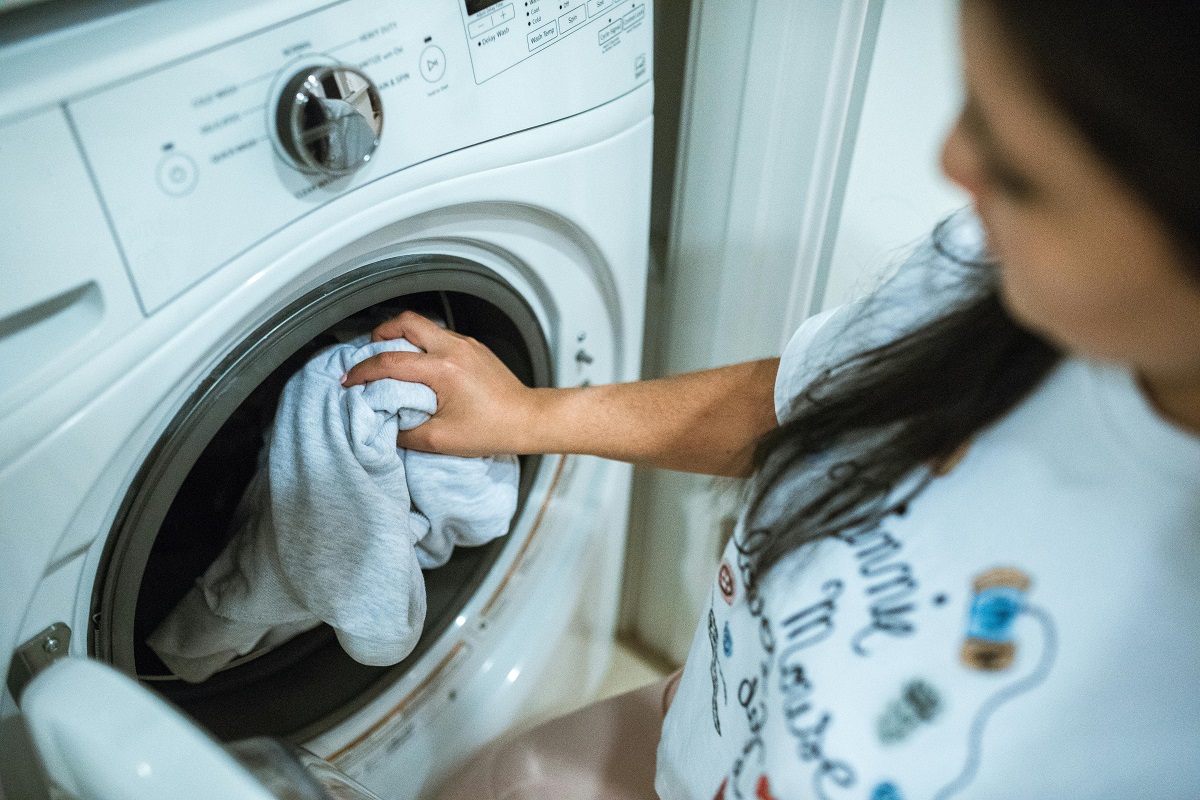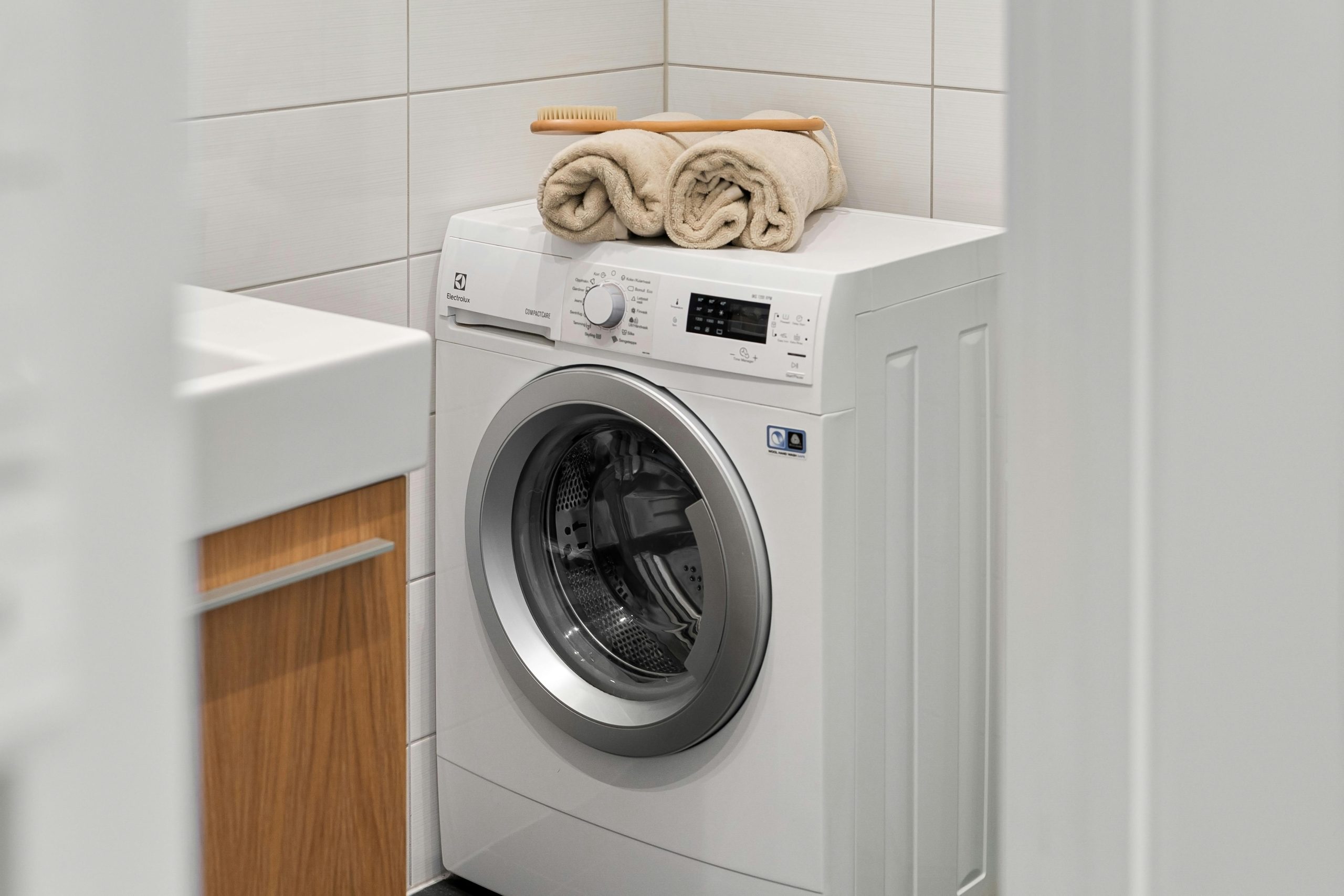
- Front loaders are generally more energy-efficient: They use less water, spin faster, and often include eco-friendly wash cycles, reducing both electricity and drying costs.
- Top loaders can use more energy: Traditional top loaders consume more water, have lower spin speeds, and use agitators that increase electricity use.
- Load size impacts efficiency: Full loads optimise energy and water usage for both types; overloading or running frequent small loads can increase electricity bills.
- Energy-saving features matter: Look for eco modes, high spin speeds, and load-sensing technology to maximise efficiency, with front loaders often including these by default.
- Long-term savings outweigh upfront costs: Front loaders typically cost more initially but reduce electricity and water bills over the machine’s lifetime, making them cheaper in the long run.
- Environmental benefits: Lower energy and water consumption reduces greenhouse gas emissions and lessens strain on local water supplies.
- Smart usage habits enhance efficiency: Using cold water cycles, running full loads, avoiding excess detergent, and maintaining the machine prolong efficiency and savings.
When it comes to choosing a washing machine, many homeowners find themselves stuck between two options: the front loader and the top loader. Beyond size, design, and ease of use, one of the most important considerations is energy efficiency. After all, no one wants a washing machine that does a great job on clothes but costs a fortune in electricity bills. In this article, we’ll break down the key differences between front loaders and top loaders and help you figure out which one can save you more on power bills.
What’s the Difference Between Front Loaders and Top Loaders?
Before diving into energy usage, let’s quickly recap the main differences between these two types of washing machines.
Front Loaders:
- The door is located at the front of the machine.
- Clothes are loaded horizontally.
- They use a tumbling action to clean clothes.
- Often have higher spin speeds, which means clothes come out drier.
Top Loaders:
- The door is on the top, and clothes are loaded vertically.
- Traditionally, top loaders use an agitator to move clothes around.
- They are generally quicker for short cycles but might use more water.
- Easier to load and unload without bending down.
Understanding these differences is essential because the way each machine cleans clothes affects how much water and energy it uses.
How Do Front Loaders Save Energy?

Front loaders are widely recognised for their energy efficiency. Here’s why:
- Less Water Usage: Front loaders use a tumbling motion, which requires less water to soak clothes. Less water means the heating element has less work to do, which reduces electricity consumption.
- Higher Spin Speeds: Many front loaders spin faster than top loaders. This removes more water from clothes during the cycle, meaning less energy is needed for drying – whether in a dryer or on a clothesline.
- Efficient Wash Cycles: Modern front loaders often have eco modes or cold-water cycles designed to save electricity while still getting clothes clean.
- Long-Term Savings: While front loaders tend to have a higher purchase price, the reduction in electricity and water bills over time can offset this cost.
Why Top Loaders Might Use More Energy
Top loaders are still popular, and they have their advantages, but they can be less energy-efficient for a few reasons:
- More Water Used: Traditional top loaders need enough water to cover clothes fully, which increases energy needed to heat the water.
- Agitator Design: The central agitator in many top loaders uses more mechanical power, increasing electricity usage.
- Lower Spin Speeds: Top loaders often don’t extract as much water from clothes, meaning your dryer has to work harder.
That said, newer high-efficiency (HE) top loaders are closing the gap in energy usage, so not all top loaders are energy guzzlers.
Quick Comparison: Energy Usage, Water, and Bills
Here’s a simple snapshot comparing the two:
| Feature | Front Loader | Top Loader |
| Water usage | Low | High (traditional) |
| Energy usage per wash | Low | Moderate to high |
| Spin efficiency | High | Medium |
| Cycle length | Longer | Shorter |
| Purchase cost | Higher | Lower (traditional) |
| Long-term energy savings | Significant | Less |
From this table, it’s clear that front loaders have a stronger advantage when it comes to long-term energy and water savings.
Does Load Size Affect Energy Savings?
Absolutely. The size of your washing load can impact energy efficiency, regardless of the type of machine you choose.
- Front Loaders: They handle larger loads more efficiently because the tumbling motion spreads water evenly. Overloading can reduce efficiency, so follow manufacturer recommendations.
- Top Loaders: They perform best with moderate loads. Overloading a top loader can increase cycle times and reduce cleaning effectiveness, which may lead to rewashing – increasing energy use.
For both types, running full loads instead of multiple small ones is key to keeping electricity bills in check.
Are There Energy-Saving Features to Look For?
When shopping for a washing machine, certain features can make a noticeable difference in electricity usage:
- Eco Mode / Energy-Saving Cycles: Uses cooler water and less energy.
- High Spin Speeds: Removes more water to reduce dryer energy consumption.
- Load Sensing Technology: Adjusts water and electricity use based on the size of the load.
- Front Loader Advantage: Many front loaders come standard with these features.
Check the washing machine energy rating in Australia; machines rated 4 stars and above are generally considered energy-efficient.
What About the Environment?
Lower energy consumption isn’t just good for your wallet – it’s better for the environment too. By using less electricity, front loaders reduce greenhouse gas emissions. Similarly, using less water reduces strain on local water supplies, which is increasingly important in areas prone to drought.
Does the Type of Clothes Matter?
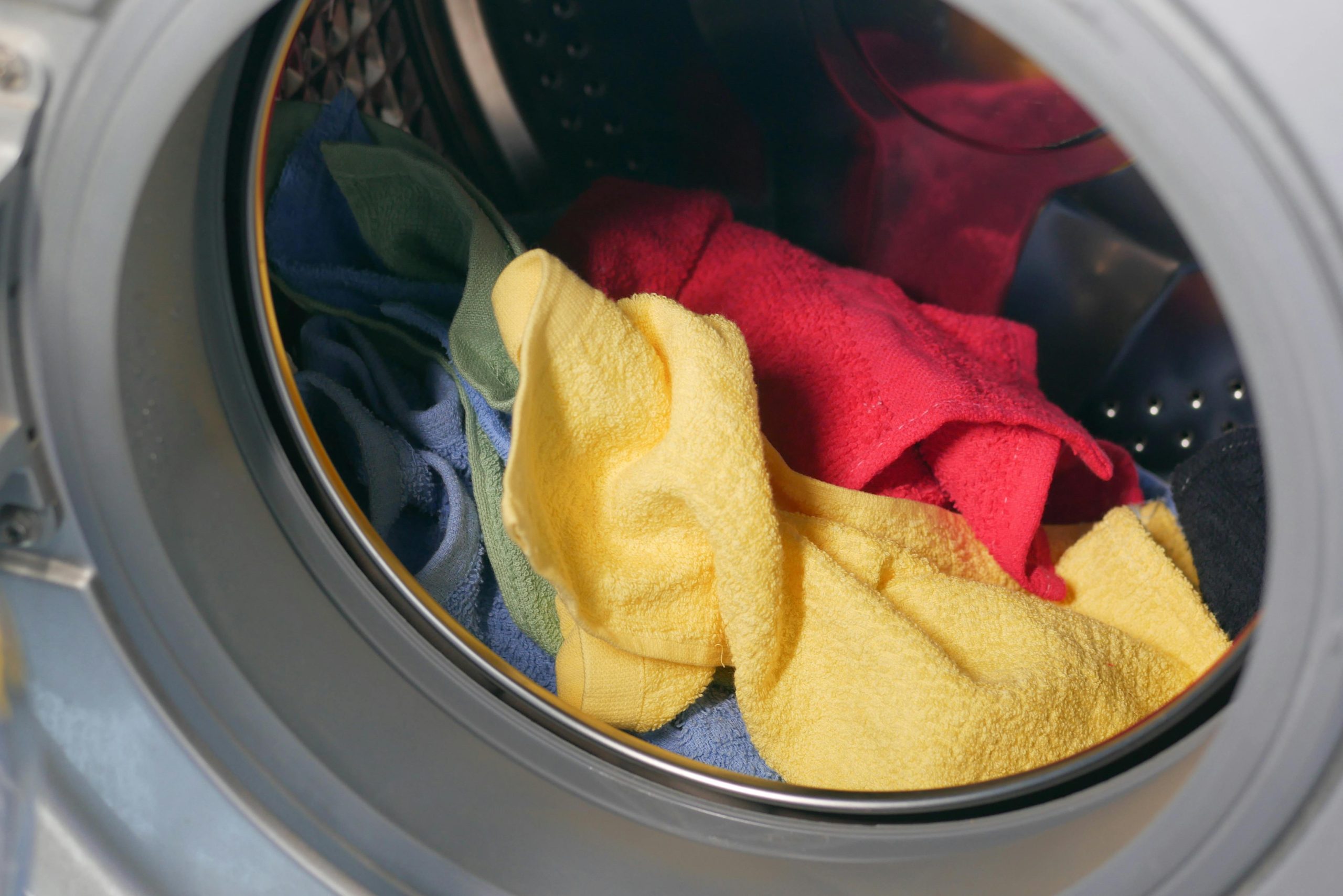
Yes, the type of laundry you do can affect which machine saves you more energy:
- Delicates: Front loaders are gentler, which allows you to use lower temperatures without damaging fabrics.
- Heavy Loads (Jeans, Towels): Front loaders’ high spin speeds extract more water, saving dryer energy.
- Frequent Small Loads: Top loaders might be faster, but running small loads often reduces energy efficiency.
Are Front Loaders More Expensive to Buy?
Yes, the upfront cost of a front loader is usually higher than a traditional top loader. However, when you factor in electricity, water, and dryer savings over the life of the machine, a front loader often proves cheaper in the long run.
Tip: Look for sales and rebates on energy-efficient appliances. Many Australian energy providers offer discounts for high-efficiency washing machines.
Quick Tips to Maximise Energy Savings
No matter which type of machine you choose, you can save more on power bills with these simple habits:
- Run full loads instead of multiple small loads.
- Use cold water cycles when possible.
- Use high spin speeds to reduce dryer use.
- Avoid overdosing on detergent – it can reduce efficiency.
- Keep your washing machine in good condition; a clean filter and drum improve performance.
Final Verdict: Front Loader vs Top Loader
If your main goal is saving on power bills, front loaders generally have the edge. They use less water, spin more efficiently, and often include energy-saving technology as standard.
Top loaders still have their place, particularly for those who prefer quicker cycles, easier loading, or a lower upfront cost. However, when it comes to long-term electricity and water savings, front loaders usually win hands down.
The Bottom Line
Choosing between a front loader and a top loader isn’t just about convenience or aesthetics. Energy efficiency is a crucial factor that affects your monthly bills and environmental footprint. If you want a washing machine that helps keep electricity costs low, front loaders are typically the smarter choice. Pair your choice with full loads, cold-water washes, and proper maintenance, and you’ll be on your way to cleaner clothes and lower power bills.